Visiting Doctoral Student Award Recipients 2026

Garrett Hajnal
I very much look forward to working with Dr. Julie McLeod at the University of Melbourne in May 2026. Dr. McLeod is a leading expert on progressive education who has recently completed an ARC-funded transnational history of progressive education and race in interwar Australia. Working closely with Dr. McLeod will greatly contribute to the way I theorize progressive education ideas globally and think about its application in postwar Alberta and Ontario. This scholarly visit arrives at an optimal time in my doctoral journey: I aim to achieve candidacy soon, and engaging with experts in my field will lay the foundation for my own archival research that I hope to begin this June. The Faculty of Education at the University of Melbourne is home to the Social Transformation and Education Research Group (STE)–a network of researchers who are currently investigating the futurities of history education. During my visit, I will have the opportunity to meet and engage with researchers in this group and share my doctoral work at an upcoming seminar series through the Australia & New Zealand History of Education Society.
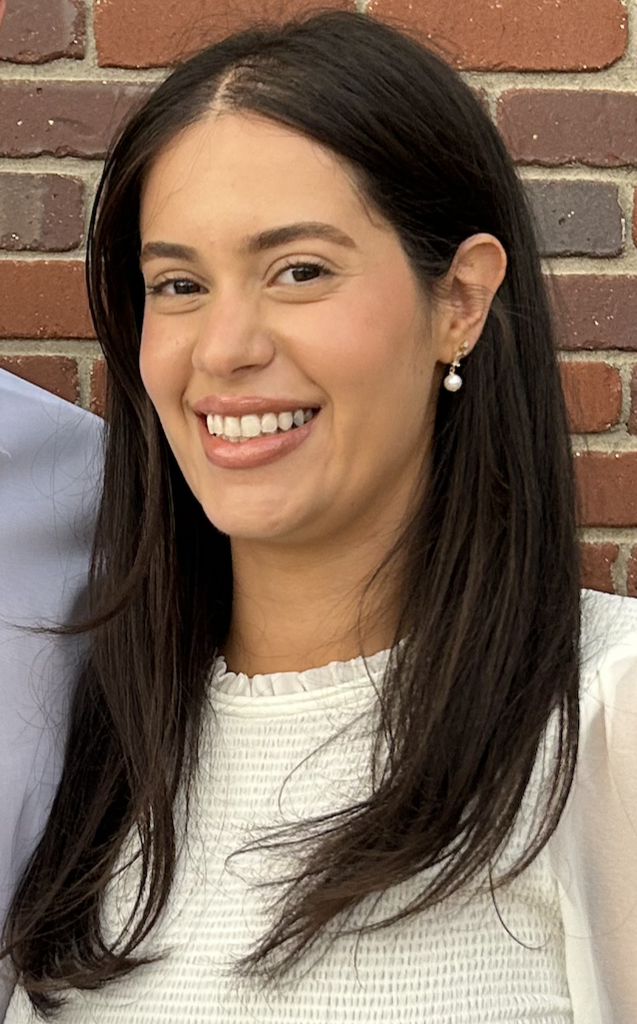
Jessica Gobran
My thesis examines how curriculum stories shape students’ historical consciousness and identity within Alberta’s newly released 2024 Grade 5 Social Studies curriculum. Focusing on curricular outcomes related to ancient civilizations, this project will explore how officially mandated narratives frame the past and what those framings make possible, or constrain, for students’ understandings of history, belonging, and self. The project will unfold in two phases. First, I will conduct a critical discourse analysis of the curriculum’s learning outcomes, framing documents, and selected supplementary resources to identify the historical, ideological, and civilizational assumptions embedded within them. Particular attention will be given to the temporal logics through which ancient societies are positioned within Western teleological narratives. Second, drawing on hermeneutic inquiry, I will undertake an autoethnographic exploration of how these narratives are encountered and reworked through lived identity, using my family’s Coptic Egyptian experiences as an interpretive entry point. Together, these research phases will illuminate how curriculum texts participate in shaping students’ historical consciousness and their sense of who they are in relation to the past.