
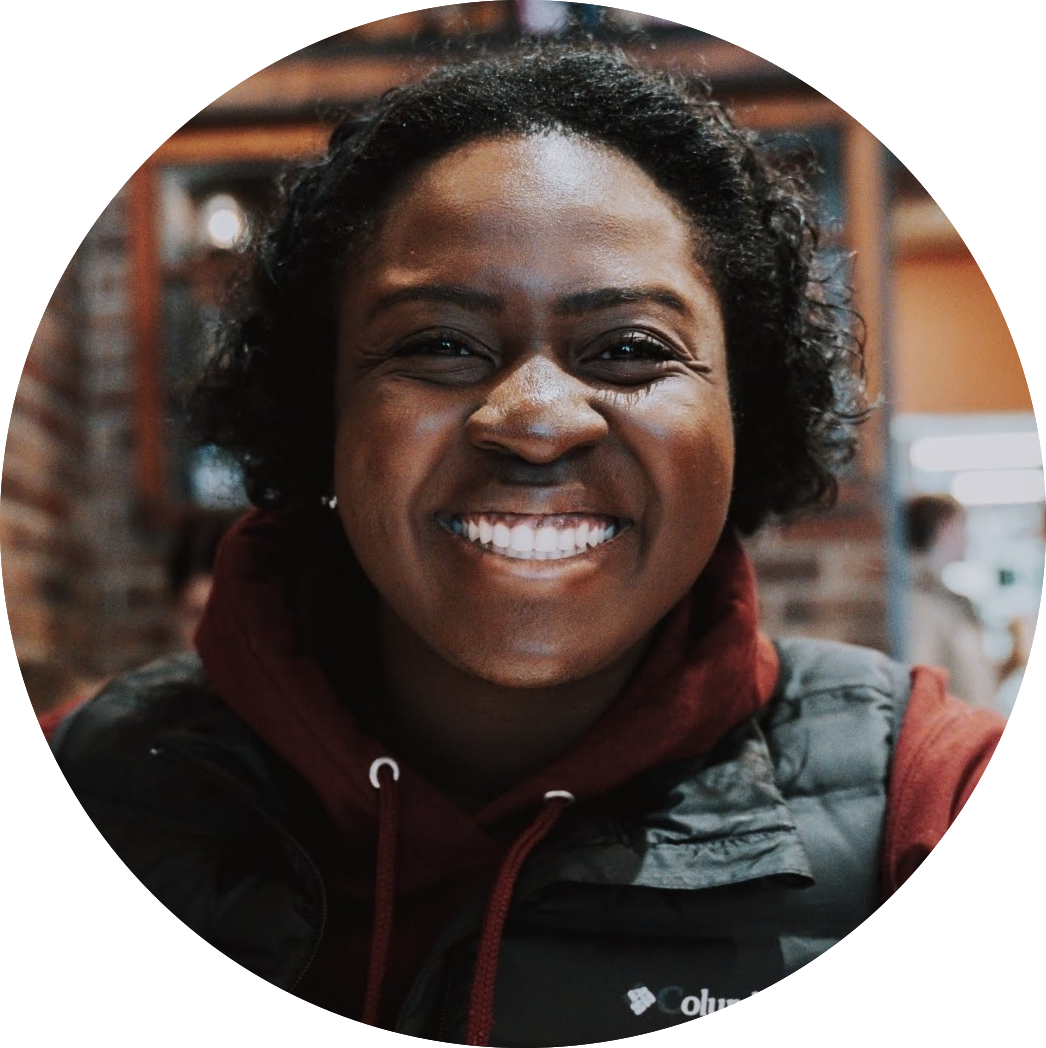
Fisayo Rashleigh
French Immersion History Teacher
Fisayo teaches Grade 6 in a French immersion middle school in Lethbridge, Alberta. Fisayo’s two groups of around 27 students each have mostly been together since early elementary school, creating a close-knit environment, especially in interactive activities like roleplay. While the school is not highly diverse, Fisayo noted an increase in cultural and learning diversity in recent years, including students with more pronounced needs than typically found in French immersion settings.
Gilbert Paterson Middle School
Lethbridge, Alberta
INDIGENOUS KNOWLEDGES
Fisayo is working to incorporate Indigenous Knowledges and perspectives into the curriculum as much as possible.
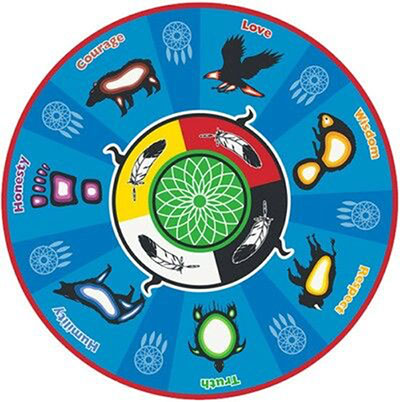
While the official Social Studies content includes the Iroquois, Fisayo notes the curricular unit is too short to support extended engagement. To address this, she integrates Indigenous teachings into French Language Arts through practices like talking circles and the Seven Sacred Teachings, encouraging students to reflect on values such as respect and kindness. These principles often become part of broader civic discussions, especially during units on democracy and debate.
Fisayo described a group of teachers in the community who also work collaboratively in this area. While finding French-language Indigenous texts is still a challenge, Fisayo prioritizes substance over language.
She mentioned “trying to find more Indigenous authors that also have books in French,” but that “it can be difficult.” Sometimes Fisayo focuses on using books in English but discussing them in French, noting that “it doesn’t matter that it’s not in the language that we’re learning because this is more important.”
HISTORICAL THINKING
Much of Fisayo’s thinking around historical pedagogy was influenced by a mentor teacher from her practicum, someone she says, “was really good in helping to get established.” Fisayo brings history to life by helping students step into the worlds they study. For her, historical thinking isn’t about memorizing timelines, it’s about creating immersive experiences that invite students to see the past through lived realities.
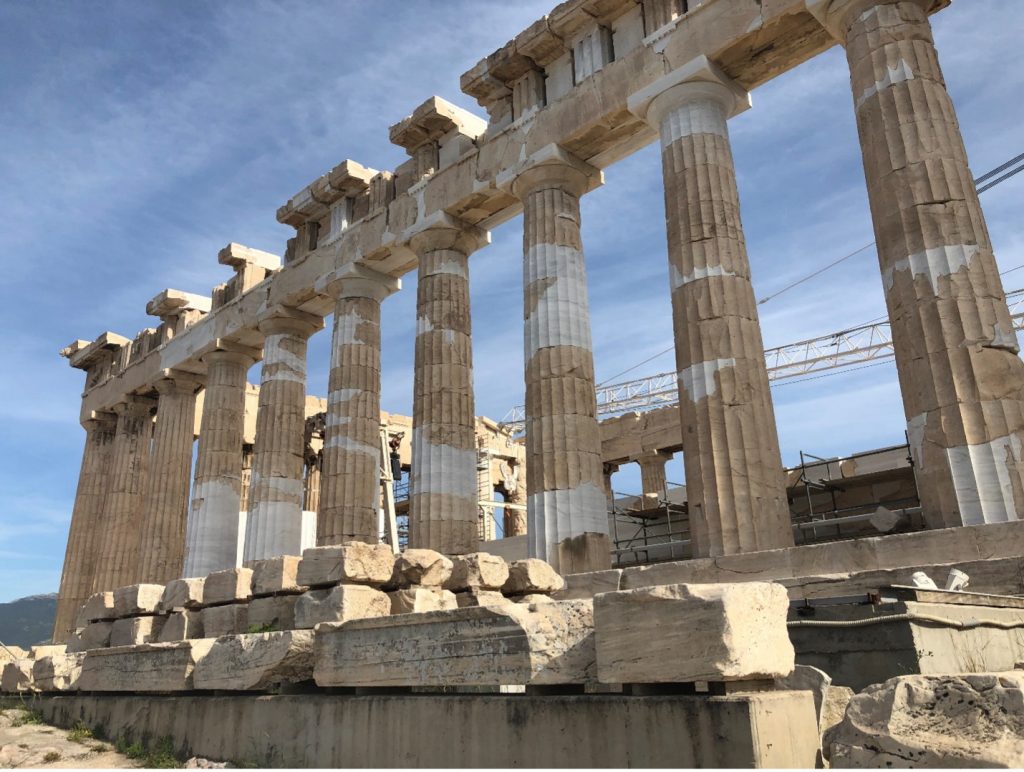
“Even for the Iroquois, the students get split into six nations and that’s how they operate for the unit,” she explained. “Or for Athens, sometimes they go through the unit in different social classes. I think things like that help kids to really think about what it was like then as opposed to just learning it as a list of facts.” These lessons have become essential for Fisayo’s teaching approach and help students engage in reflection.
While the Grade 6 curriculum doesn’t focus heavily on identity, Fisayo finds that students themselves often bring those lenses into the conversation. Though topics like religion or ethnicity aren’t formally embedded in the curriculum, Fisayo notes that “sometimes kids will say, maybe this gender expression or religious belief wouldn’t have thrived in the Iroquois Confederacy or in Ancient Athens.”
These organic reflections, she says, are often sparked by students’ comparisons of democratic values across societies and taking historical perspectives.
CURRICULUM AND RESOURCES
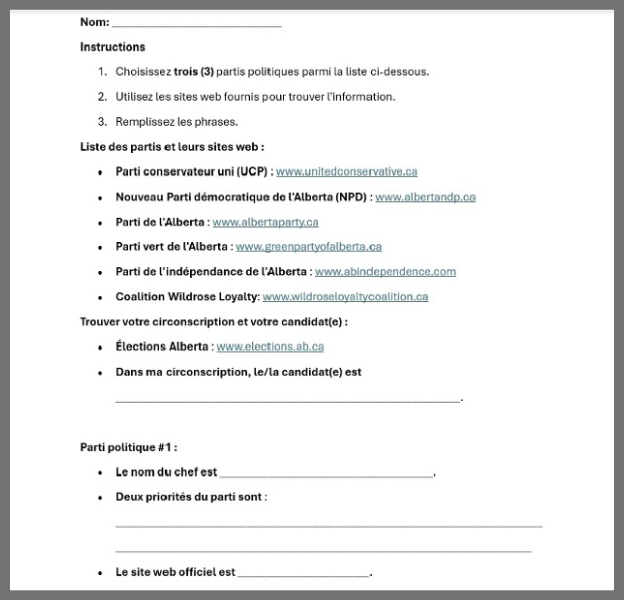
The social studies curriculum focuses on factual topics such as local governance, which Fisayo sees as relatively non-controversial. However, she increasingly incorporates discussions on social issues, like Black History Month and peaceful protests, particularly when these connect with student experiences. She has become more confident in addressing complex topics, believing it is important for students to engage with discomfort and express diverse perspectives.
Fisayo also expressed concerns about the limitations of the Alberta social studies curriculum and its accompanying resources, particularly in terms of student engagement. She described many of the provided materials as “essentialist,” explaining that if she relied solely on them, the lessons would feel rigid and uninspiring.
As she explained, saying “this is what you’re going to learn, or you’re going to fill out this sheet,” is “not conducive to engagement in the classroom.”
She also pointed out that the French Grade 6 textbook is out of print, making it difficult to replace or supplement existing materials. “Even if I wanted more, I could not get any more textbooks… they just don’t exist.”
Despite these challenges, she sees value in the curriculum’s emphasis on research and critical thinking skills.
“So, I think those are really, really important skills, especially now that kids are on social media all the time.”
Co-created by Fisayo Rashleigh and Christine Cheng